
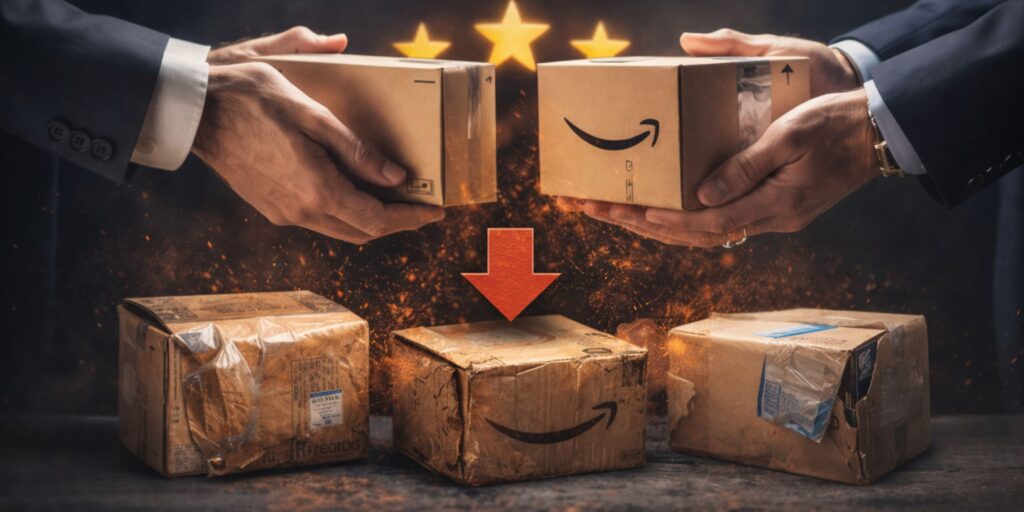
In the world of e-commerce, Amazon has set the gold standard for customer experience. Shoppers expect two-day shipping, accurate orders, and seamless returns as a baseline, not a bonus. For brands, this means your product is only as good as its journey to the customer’s doorstep. An inefficient or unreliable distribution network isn’t just a logistical headache; it’s a silent brand killer. Poor distribution practices can quickly dismantle the reputation you’ve worked so hard to build, leading to lost trust, negative reviews, and a declining bottom line.
Many brands focus intensely on product development and marketing, only to let their distribution strategy fall by the wayside. But on a platform as competitive as Amazon, fulfillment isn’t a back-end operation-it’s a critical part of your brand promise. This article will explore the hidden ways poor distribution damages your brand’s reputation and provide actionable strategies to build a resilient, trustworthy fulfillment process.
The Domino Effect of Flawed Distribution
A single shipping delay or an out-of-stock item might seem like a minor issue, but these problems create a domino effect that can seriously harm your brand’s standing with both customers and Amazon itself. Understanding these consequences is the first step to mitigating them.
1. Erosion of Customer Trust and Loyalty
Today’s customers have endless choices. When they click buy, they are placing their trust in your brand to deliver on its promise. Delayed shipments, damaged goods, or incorrect orders break that trust instantly. A customer who receives their package late won’t blame the carrier; they’ll blame your brand. This negative experience often leads to public complaints, poor seller feedback, and one-star product reviews that warn other shoppers to stay away. Rebuilding that trust is far more difficult and expensive than getting it right the first time.
2. Decreased Visibility and Sales
Amazon’s A9 algorithm is designed to promote products that offer the best customer experience. Key fulfillment metrics, such as Late Shipment Rate, Order Defect Rate (ODR), and inventory levels, are major factors in how your products rank in search results. Frequent stockouts tell the algorithm that your product is unreliable, causing your search ranking to plummet. Similarly, a high rate of shipping delays or order cancellations signals a poor customer experience, leading Amazon to deprioritize your listings. In short, poor distribution makes your products virtually invisible to potential buyers.
3. Loss of the Buy Box and Increased Competition
Winning the Amazon Buy Box (now called the Featured Offer) is critical for sales, as the vast majority of purchases are made through it. Your fulfillment performance is a primary component of the algorithm that determines who wins this coveted spot. If you consistently struggle with stockouts or shipping delays, Amazon will award the Buy Box to a competitor or a third-party reseller-even if they are selling your own product. This not only results in a direct loss of sales but also a loss of control over your brand’s pricing and presentation.
4. Operational Inefficiency and Hidden Costs
Poor distribution isn’t just a customer-facing problem; it creates significant internal costs. Time spent tracking down lost packages, processing returns for damaged items, and responding to angry customer emails is time taken away from growth-focused activities like marketing and product development. Furthermore, inefficient inventory management can lead to accumulating long-term storage fees for overstocked items or lost revenue from understocked best-sellers. These operational burdens quietly drain your resources and inhibit your ability to scale.
Building a Bulletproof Distribution Strategy
Fixing a broken distribution system requires a proactive approach that combines smart inventory management, strategic use of Amazon’s tools, and a commitment to operational excellence. Here are the essential strategies to transform your fulfillment from a liability into a competitive advantage.
1. Leverage Fulfillment by Amazon (FBA)
For many brands, Fulfillment by Amazon (FBA) is the most straightforward way to meet customer expectations. By enrolling in FBA, you store your products in Amazon’s fulfillment centers, and they handle the picking, packing, shipping, and customer service for those orders.
- Prime Eligibility: FBA automatically makes your products eligible for Amazon Prime free two-day shipping, a major purchasing driver for millions of customers.
- Customer Service and Returns: Amazon manages customer service inquiries and returns for your FBA orders, reducing your operational workload.
- Improved Buy Box Chances: Using FBA significantly boosts your chances of winning the Buy Box due to Amazon’s confidence in its own fulfillment network.
While FBA comes with fees, the benefits in customer satisfaction and visibility often far outweigh the costs.
2. Master Your Inventory Management
Whether you use FBA or fulfill orders yourself (Fulfillment by Merchant – FBM), effective inventory management is crucial. The goal is to maintain enough stock to meet demand without overstocking and incurring unnecessary storage fees.
- Use Data for Demand Forecasting: Analyze historical sales data, seasonality, and market trends to predict future demand. Use this information to set strategic reorder points and quantities.
- Monitor Your Inventory Performance Index (IPI): If you use FBA, Amazon gives you an IPI score based on your inventory performance. A low score can result in storage limits. Focus on improving sell-through rates and avoiding excess or stranded inventory to keep your score high.
- Implement a “First-In, First-Out” (FIFO) System: This ensures that your oldest inventory is sold first, which is especially important for products with expiration dates.
3. Partner with a Reliable Third-Party Logistics (3PL) Provider
If FBA isn’t the right fit for your business model, partnering with a high-quality Third-Party Logistics (3PL) provider can be an excellent alternative. A good 3PL can offer scalable warehousing, professional packing, and reliable shipping that meets Amazon’s strict standards for FBM sellers. When choosing a 3PL, look for one with proven experience in e-commerce fulfillment and integration capabilities with the Amazon marketplace.
4. Optimize Your In-House Fulfillment (FBM)
If you choose to handle fulfillment in-house, operational excellence is non-negotiable.
- Streamline Order Processing: Implement a warehouse management system (WMS) to automate and organize the pick-and-pack process, reducing human error.
- Establish Clear SOPs: Create Standard Operating Procedures for every step of the fulfillment process, from receiving inventory to packing orders and handling returns.
- Regularly Audit Performance: Continuously track your key fulfillment metrics, including on-time delivery rates, order accuracy, and shipping times, to identify and address bottlenecks before they become major problems.
Take Control of Your Brand’s Destiny
On Amazon, your distribution network is a direct reflection of your brand’s reliability and commitment to its customers. A broken fulfillment process can silently sabotage your reputation, leaving you with angry customers, plummeting sales, and a damaged brand image. By treating distribution as a core pillar of your brand strategy, you can build a resilient operation that fosters trust, drives loyalty, and fuels sustainable growth.
Don’t let poor fulfillment define your brand’s reputation. It’s time to transform your distribution from a vulnerability into your greatest strength.
Ready to build a fulfillment strategy that drives growth and enhances your brand? Contact us today for a comprehensive audit of your distribution network and discover the opportunities you’re missing. Let’s ensure every order strengthens your brand’s reputation.